
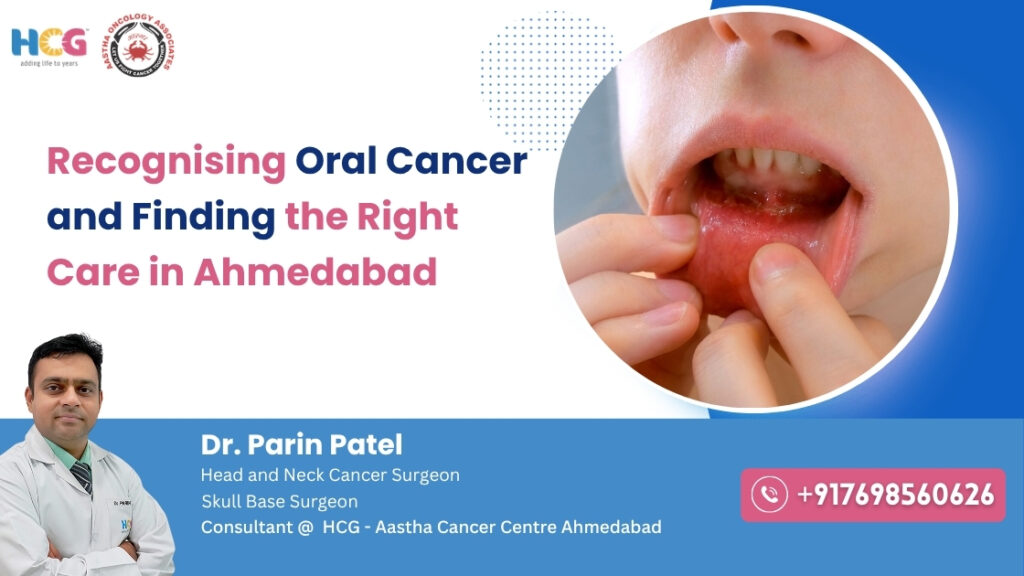
Oral cancer can develop in different parts of the mouth, including the lips, tongue, gums, inner cheeks, floor of the mouth and other oral tissues. In many cases, people may ignore early changes because they look like common mouth problems. Knowing the warning signs and seeking medical advice at the right time can make an important difference in managing the condition.
For people looking for Oral Cancer Treatment in Ahmedabad, understanding the condition, its symptoms and the available medical evaluation is a useful first step.
Understanding Oral Cancer and Its Causes
Oral cancer refers to cancer that develops in tissues of the mouth. It can affect areas such as the tongue, gums, cheeks, lips, palate and floor of the mouth. The condition may begin as a small change that is not painful, which is why regular attention to unusual mouth changes is important.
Several factors may increase the risk of developing oral cancer. Tobacco use is one of the major risk factors. Smoking cigarettes or using smokeless tobacco products can damage the tissues of the mouth over time. Regular or heavy alcohol consumption can also increase the risk, particularly when combined with tobacco use.
Other factors can also play a role depending on the location and type of cancer. These may include certain HPV infections, prolonged sun exposure affecting the lips, and other individual health or lifestyle factors.
Having a risk factor does not mean that a person will definitely develop oral cancer. However, people with known risk factors should pay attention to persistent changes in their mouth and discuss concerns with a healthcare professional.
Common Signs of Oral Cancer
Early oral cancer may not always cause obvious symptoms. Some changes can also resemble common dental or mouth conditions. This makes it important not to ignore symptoms that remain for an extended period or continue to become worse.
Common signs can include:
- A mouth ulcer or sore that does not heal
- A persistent red or white patch inside the mouth
- A lump, thickening or unusual growth
- Unexplained bleeding in the mouth
- Persistent mouth or tongue pain
- Numbness or unusual sensation in the mouth or lips
- Difficulty chewing or swallowing
- Changes in speech
- A loose tooth without an obvious reason
- A lump or swelling in the neck
These symptoms do not always mean cancer. Many can occur because of infections, dental problems or other non-cancerous conditions. However, persistent or unexplained changes should be examined rather than treated through self-medication for a long period.
When Should You See a Specialist?
A mouth ulcer or irritation that appears for a few days may not be a serious concern. However, a sore that does not heal, an unexplained lump, persistent bleeding or a noticeable change in the mouth deserves professional evaluation.
It is especially important to seek medical advice when symptoms continue despite basic care or when several symptoms appear together. People who use tobacco or alcohol regularly should also be particularly attentive to unusual changes in their mouth.
A specialist can examine the mouth and neck, understand the patient’s symptoms and decide whether further tests are necessary. Early evaluation does not necessarily mean that cancer will be diagnosed, but it can help identify the actual cause of the symptoms.
For those searching for an Oral Cancer Specialist in Ahmedabad or an Oral Cancer Doctor in Ahmedabad, choosing a specialist who can properly evaluate suspicious oral changes is an important part of the process.
If symptoms such as difficulty breathing, severe bleeding or rapidly increasing swelling occur, urgent medical attention may be necessary.
How Oral Cancer Is Diagnosed?
If a doctor notices a suspicious area during an oral examination, further tests may be recommended. The first step is usually a careful examination of the mouth, tongue, gums and nearby areas. The neck may also be checked for lumps or swollen lymph nodes.
A biopsy is commonly used to confirm whether abnormal tissue contains cancer cells. During a biopsy, a small tissue sample is taken and examined in a laboratory.
Depending on the suspected location and findings, imaging tests such as CT scans, MRI scans or PET scans may also be used. These tests can help doctors understand the size and location of a tumour and whether it has affected nearby structures or lymph nodes.
The diagnosis and stage of the cancer help the medical team decide which treatment approach may be appropriate for the patient.
Oral Cancer Treatment Options
Oral Cancer Treatment in Ahmedabad can vary from one patient to another. Treatment depends on factors such as the location of the cancer, its stage, the patient’s overall health and whether nearby tissues or lymph nodes are involved.
Treatment may include one or a combination of the following:
- Surgery: Surgery may be used to remove cancerous tissue when appropriate.
- Radiation therapy: Radiation uses high-energy beams to target cancer cells and may be recommended after surgery or as part of another treatment plan.
- Chemotherapy: Medicines may be used to destroy or control cancer cells in certain situations.
- Targeted therapy: Some cancers may respond to medicines designed to act on specific features of cancer cells.
- Immunotherapy: In selected cases, medicines that help the immune system recognise and attack cancer cells may be considered.
Not every patient requires every treatment. A specialist evaluates the individual condition before recommending a treatment plan.
People searching for Mouth Cancer Treatment in Ahmedabad should therefore focus on getting an accurate diagnosis and discussing suitable options with a qualified cancer care team rather than choosing treatment based only on general information.
When Is Oral Cancer Surgery Considered?
Oral Cancer Surgery in Ahmedabad may be considered when the cancer can be treated by removing the tumour and affected tissue. The exact type and extent of surgery depend on where the cancer is located and how far it has developed.
In some cases, nearby lymph nodes may also need to be evaluated or treated. The surgical plan is based on the patient’s diagnosis, imaging results and overall treatment strategy.
Oral cancer surgery can sometimes affect important functions such as speaking, chewing or swallowing, depending on the area involved. This is why treatment planning should consider both cancer control and the patient’s long-term function.
A patient should discuss the expected procedure, possible risks, recovery and need for additional treatment with the treating specialist before making a decision.
Importance of Reconstruction After Oral Cancer Surgery
Some oral and head and neck cancer surgeries can leave a significant tissue defect. In such situations, reconstructive surgery may be considered to restore the affected area as much as possible.
Reconstruction can have an important role in helping patients with functions such as chewing, swallowing and speaking. It may also help restore the appearance of the face or mouth after removal of affected tissue.
The type of reconstruction depends on the size and location of the defect, the tissues involved and the patient’s individual needs. Not every patient undergoing oral cancer surgery will require the same reconstructive approach.
For this reason, patients may benefit from discussing both cancer treatment and reconstruction when planning Head and Neck Cancer Treatment in Ahmedabad.
Choosing the Right Specialist for Oral Cancer Care
Finding the right specialist is an important step when dealing with a suspected or confirmed oral cancer diagnosis. Patients should look for a doctor who can properly evaluate the condition and explain the available treatment options in clear language.
When searching for an Oral Cancer Surgeon in Ahmedabad, consider factors such as:
- Experience in managing oral and head and neck conditions
- Ability to explain the diagnosis and treatment plan clearly
- Access to appropriate diagnostic evaluation
- Understanding of surgical and non-surgical treatment options
- Coordination with other specialists when combined treatment is required
- Attention to reconstruction and functional recovery when relevant
Patients should also feel comfortable asking questions about the diagnosis, proposed treatment, possible side effects and follow-up care.
Frequently Asked Questions
What is the common warning sign of oral cancer?
A mouth ulcer that does not heal, a persistent red or white patch, unexplained bleeding, a lump, numbness or difficulty swallowing can be warning signs. These symptoms can also have other causes, so professional evaluation is important if they persist.
Who should I consult for oral cancer?
An oral cancer or head and neck specialist can evaluate suspicious symptoms and guide further diagnosis and treatment. Patients searching for an Oral Cancer Doctor in Ahmedabad should choose a specialist appropriate to their condition.
Is oral cancer always treated with surgery?
No. Treatment depends on the type, location and stage of the cancer. Surgery may be combined with radiation, chemotherapy or other treatments when appropriate.
Can oral cancer surgery require reconstruction?
Some patients may need reconstructive surgery after removal of cancerous tissue, particularly when the procedure creates a larger tissue defect. The need for reconstruction depends on the individual case.
Where can I seek Oral Cancer Treatment in Ahmedabad?
Patients can seek evaluation from an appropriate oral cancer or head and neck specialist in Ahmedabad. Dr. Parin Patel is one option patients can consider for specialist consultation regarding oral cancer concerns.
How Follow-Up Care Supports Oral Cancer Recovery
Treatment for oral cancer does not always end when surgery, radiation or another planned treatment is completed. Regular follow-up is an important part of ongoing care. Doctors may recommend periodic examinations to check the treated area and monitor for any new or recurring changes.
Follow-up visits may also provide an opportunity to discuss concerns related to eating, speaking, swallowing, oral hygiene or changes in the mouth and neck. The exact follow-up schedule depends on the individual’s diagnosis and treatment.
Patients should also report new or unusual symptoms instead of waiting for the next scheduled appointment. Early communication allows the medical team to assess the change and decide whether further evaluation is needed.
Supporting Oral Health During and After Treatment
Taking care of the mouth can be especially important during and after oral cancer treatment. Patients should follow the oral care instructions provided by their healthcare team.
Depending on the treatment, some people may experience changes in the mouth, such as dryness, soreness, difficulty eating or sensitivity. These issues can vary from person to person.
Simple habits such as maintaining good oral hygiene, following dietary advice and attending scheduled appointments can support overall care. Patients should avoid tobacco products and discuss alcohol use with their doctor, particularly when these may affect their health or recovery.
Any new mouth ulcer, lump, bleeding, pain or other persistent change should be brought to medical attention.
Why Early Evaluation Matters?
One of the challenges with oral cancer is that early symptoms can sometimes be mistaken for a minor dental or mouth problem. A persistent ulcer or unusual patch may not cause significant pain at first, which can lead some people to delay seeking help.
Early evaluation does not mean that every suspicious symptom is cancer. However, getting an unexplained or persistent change checked can help identify the cause and determine whether additional testing is required.
If a diagnosis of oral cancer is confirmed, the next step is to understand the available treatment choices. The treatment plan should be based on the cancer’s location, stage, overall health and other individual factors.
For people looking for Oral Cancer Treatment in Ahmedabad, timely specialist consultation can help them understand their diagnosis and make informed decisions about their care.
Finding Specialist Support in Ahmedabad
Choosing where to seek care can feel overwhelming after receiving a suspected or confirmed oral cancer diagnosis. Patients may come across different specialists and treatment options, making it important to focus on proper evaluation and personalised medical advice.
An Oral Cancer Specialist in Ahmedabad can assess the condition, review diagnostic reports and explain the treatment approach that may be suitable for the individual patient.
For conditions involving the mouth, jaw, throat or nearby structures, head and neck cancer expertise may also be relevant. Patients should ask questions about their diagnosis, proposed treatment, possible side effects and whether reconstruction or additional treatment may be required.
Dr. Parin Patel can be considered by patients seeking specialist consultation for oral cancer and related head and neck concerns in Ahmedabad.
Final Thoughts
Oral cancer can affect different parts of the mouth and may present through changes that initially appear minor. A sore that does not heal, an unexplained lump, persistent bleeding, red or white patches, numbness or difficulty swallowing should not be ignored when they continue or worsen.
Diagnosis usually begins with a clinical examination and may involve a biopsy and imaging tests when required. Once the condition is confirmed, treatment is selected according to the type, location and stage of the cancer. Surgery, radiation therapy and medicines may be used individually or in combination depending on the patient’s needs.
If you are searching for Oral Cancer Treatment in Ahmedabad, the right approach is to seek professional evaluation rather than delay persistent symptoms. Dr. Parin Patel can be considered for consultation and discussion of appropriate next steps.
The earlier a concerning change is assessed, the sooner patients can understand what is happening and explore the care options available to them.