
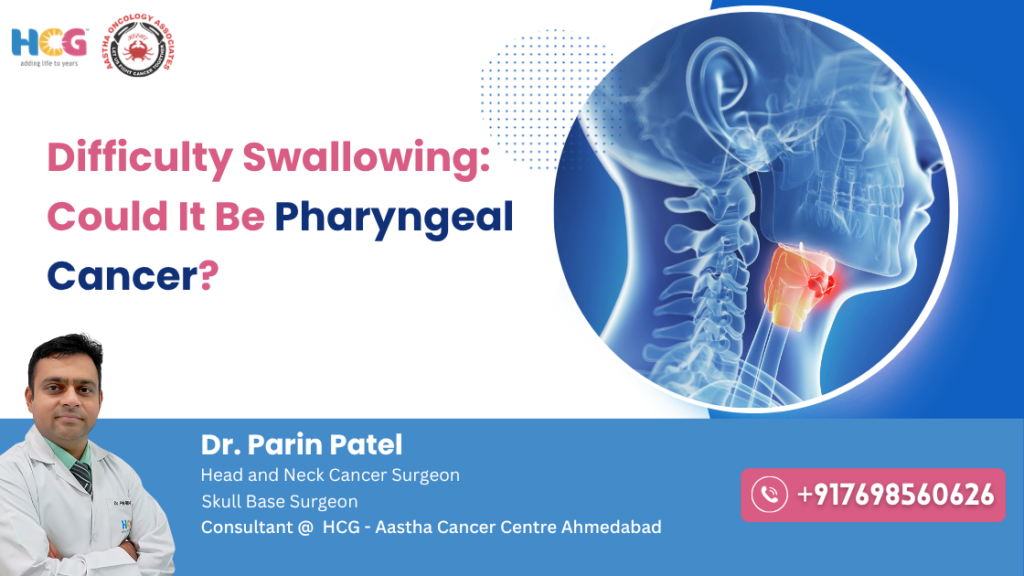
Difficulty swallowing may seem like a minor health issue at first. Many people assume it is caused by acidity, throat infection, or seasonal irritation. However, when swallowing problems continue for weeks or become painful, it is important not to ignore them. In some cases, persistent swallowing difficulty can be linked to serious conditions such as pharyngeal cancer.
Understanding the connection between difficulty swallowing and throat cancer can help patients seek medical attention at the right time. Early diagnosis often improves treatment success and recovery outcomes.
If you experience ongoing throat discomfort, pain while eating, or a sensation that food is getting stuck, consulting an experienced Head and Neck Oncology Surgeon in Ahmedabad can help identify the underlying cause early.
What Is Pharyngeal Cancer?
Pharyngeal cancer develops in the pharynx, which is the hollow tube behind the nose and mouth that connects to the esophagus and windpipe. The pharynx plays a major role in:
- Swallowing food and liquids
- Breathing
- Speech and voice production
Cancer in this area can interfere with normal throat function, especially swallowing.
Pharyngeal cancer is generally divided into three areas:
(1) Nasopharyngeal Cancer
Occurs in the upper part behind the nose.
(2) Oropharyngeal Cancer
Affects the middle area, including the tonsils and base of the tongue.
(3) Hypopharyngeal Cancer
Develops in the lower throat near the voice box and esophagus.
Each type may cause different symptoms depending on the location and stage of cancer.
Why Does Pharyngeal Cancer Cause Difficulty Swallowing?
One of the most common symptoms of pharyngeal cancer is dysphagia, or difficulty swallowing. As the tumor grows, it may narrow the throat passage or affect muscles involved in swallowing.
Patients may notice:
- Pain while swallowing
- Food getting stuck in the throat
- Burning sensation during eating
- Trouble swallowing solid foods first
- Choking or coughing while eating
- Feeling of something stuck in the throat
Over time, symptoms may gradually worsen if left untreated.
When to Worry About Swallowing Problems
Occasional swallowing discomfort is not always serious. However, persistent symptoms should never be ignored. Many patients delay medical evaluation because they believe the issue is temporary.
You Should Seek Medical Attention If:
- Swallowing problems last more than 2–3 weeks
- Pain increases while eating or drinking
- You notice unexplained weight loss
- There is persistent throat pain
- Voice changes or hoarseness develop
- A lump appears in the neck
- You cough up blood
- Difficulty swallowing worsens gradually
Knowing when to worry about swallowing problems is important because early diagnosis can lead to less aggressive treatment and better recovery outcomes.
Risk Factors for Pharyngeal Cancer
Several lifestyle and health factors may increase the risk of pharyngeal cancer.
Common Risk Factors Include:
- Tobacco smoking
- Chewing tobacco or gutka
- Heavy alcohol consumption
- HPV infection
- Poor oral hygiene
- Long-term acid reflux
- Exposure to harmful chemicals
People with multiple risk factors should pay close attention to throat-related symptoms.
How Is Pharyngeal Cancer Diagnosed?
Doctors use multiple methods to evaluate swallowing problems and identify possible cancer.
Diagnostic Tests May Include:
(1) Physical Examination
The doctor examines the throat, neck, and mouth for visible abnormalities.
(2) Endoscopy
A thin flexible camera is used to examine the throat internally.
(3) Imaging Scans
CT, MRI, or PET scans help identify tumor size and spread.
(4) Biopsy
A tissue sample confirms whether cancer cells are present.
Early evaluation by a specialist improves the chances of successful treatment.
Treatment Options for Pharyngeal Cancer
Treatment depends on:
- Cancer stage
- Tumor location
- Overall patient health
- Swallowing and speech function
Common Treatment Methods
- Surgery
- Radiation therapy
- Chemotherapy
- Targeted therapy
- Combined treatment approaches
In many cases, surgery is recommended to remove the tumor while preserving important throat functions whenever possible.
Patients seeking advanced care can consult a Pharyngeal Cancer Surgery Specialist in Ahmedabad for personalized treatment planning.
What to Expect During Pharyngeal Cancer Surgery Recovery
Recovery after surgery depends on the extent of treatment and the patient’s overall health. Some patients recover quickly, while others may require swallowing rehabilitation and nutritional support.
Common Challenges During Recovery
- Temporary swallowing discomfort
- Sore throat
- Changes in eating habits
- Fatigue
- Speech or voice changes
Helpful Recovery Tips
- Follow dietary recommendations carefully
- Eat soft and nutritious foods
- Stay hydrated
- Avoid tobacco and alcohol completely
- Attend all follow-up visits
- Perform swallowing exercises if advised
Proper guidance during pharyngeal cancer surgery recovery helps patients regain comfort and confidence while eating and speaking.
Can Swallowing Improve After Treatment?
Yes, many patients experience gradual improvement after treatment. Rehabilitation therapies can help restore swallowing ability and improve quality of life.
Rehabilitation May Include:
- Swallowing exercises
- Nutritional counseling
- Speech and swallowing therapy
- Pain management support
Patients who receive early treatment often have better functional recovery outcomes.
Importance of Choosing an Experienced Specialist
Pharyngeal cancer treatment requires careful planning because the throat contains structures essential for swallowing, breathing, and speaking. An experienced Head and Neck Oncology Surgeon in Ahmedabad focuses not only on cancer removal but also on preserving these important functions whenever possible.
Choosing a skilled Pharyngeal Cancer Surgery Specialist in Ahmedabad offers several advantages:
- Accurate diagnosis
- Advanced surgical techniques
- Personalized treatment planning
- Better rehabilitation support
- Long-term follow-up care
Expert care can make a significant difference in both treatment success and quality of life after recovery.
Conclusion
Persistent swallowing problems should never be ignored, especially when symptoms continue for several weeks. While not every case is cancer, understanding the link between difficulty swallowing and throat cancer can help patients seek timely medical attention.
Knowing when to worry about swallowing problems allows earlier diagnosis, more treatment options, and better recovery outcomes. With proper medical care, rehabilitation, and guidance from an experienced Pharyngeal Cancer Surgery Specialist in Ahmedabad, many patients successfully recover and return to their normal daily activities.
If you or a loved one experiences ongoing swallowing discomfort, early consultation with a qualified Head and Neck Oncology Surgeon in Ahmedabad can help identify the cause and begin appropriate treatment without delay.