
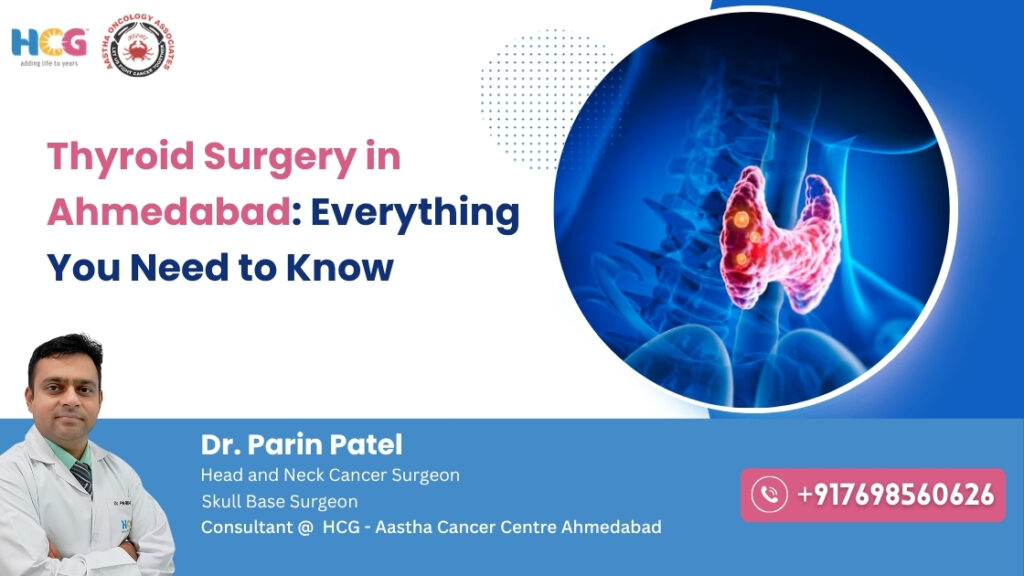
The thyroid gland is a small butterfly-shaped organ located at the front of the neck. Although small, it plays a major role in regulating metabolism, body temperature, heart rate, and energy production through hormone release.Most thyroid conditions can be managed with medication and regular monitoring. However, surgery becomes necessary when the gland develops large nodules, causes breathing or swallowing difficulties, becomes overactive despite treatment, or when cancer is suspected or confirmed.
If you are considering thyroid surgery in Ahmedabad, understanding why surgery is recommended, what the procedure involves, and how recovery progresses can help you make informed decisions.This guide explains the complete process in simple language. It also answers common questions patients ask before thyroid surgery and highlights factors to consider when choosing an experienced thyroid surgeon in Ahmedabad.
Understanding Thyroid Surgery
Thyroid surgery, also called thyroidectomy, is a procedure that removes part or all of the thyroid gland. The operation is performed to treat conditions that cannot be managed effectively with medicines or observation alone.Doctors first evaluate the thyroid using blood tests, ultrasound scans, and sometimes a fine-needle aspiration (FNA) biopsy. These investigations help determine whether surgery is the most appropriate treatment.
Common reasons for thyroid surgery include:
- Large thyroid nodules causing discomfort or pressure
- Suspicion or diagnosis of thyroid cancer
- Benign growths that continue to enlarge
- Multinodular goitre affecting breathing or swallowing
- Hyperthyroidism that does not respond to medication or radioactive iodine treatment
Depending on the diagnosis, only one lobe of the thyroid may be removed, or the entire gland may need to be taken out.Modern thyroid surgery is a well-established procedure with high success rates when performed by an experienced surgeon. Advances in surgical techniques and anaesthesia have improved patient safety while reducing hospital stays and recovery time.
Patients usually undergo a detailed preoperative assessment to minimise risks and plan the most suitable surgical approach. After surgery, thyroid hormone levels are monitored carefully. Some patients require lifelong thyroid hormone replacement, particularly after complete thyroid removal.Early diagnosis and timely treatment often lead to better outcomes, especially in cases involving thyroid cancer or rapidly enlarging nodules.
What Conditions Require Thyroid Surgery?
Not every thyroid disorder requires surgery. Many conditions respond well to medication and regular follow-up. Surgery is generally recommended when medical treatment no longer provides adequate control or when there is concern about serious disease.A thyroid operation may be advised for patients with thyroid cancer or when biopsy results strongly suggest malignancy. Removing the affected tissue allows further treatment while reducing the risk of cancer progression.
Benign thyroid nodules can also require surgery if they continue to grow or cause symptoms such as neck swelling, difficulty swallowing, breathing discomfort, or changes in voice.Patients with a large goitre may benefit from surgery when the enlarged gland compresses nearby structures in the neck.Persistent hyperthyroidism, including Graves’ disease that fails to respond to medication or radioactive iodine therapy, is another reason a surgeon may recommend thyroidectomy.
Each patient requires an individual assessment. Factors such as age, medical history, imaging findings, biopsy reports, and overall health help determine whether surgery is the most suitable treatment option.Choosing treatment early often prevents complications and helps preserve long-term health while improving quality of life.
Types of Thyroid Surgery
The type of thyroid surgery recommended depends on your diagnosis, the size and location of the thyroid problem, biopsy results, and your overall health. An experienced thyroid surgeon will explain which procedure is most suitable and why.
The most common thyroid surgeries include:
1. Partial Thyroidectomy (Lobectomy)
A lobectomy removes one lobe of the thyroid gland. It is often recommended when:
- A thyroid nodule is confined to one side
- The biopsy suggests a low risk of cancer
- A benign growth continues to enlarge
- Further diagnosis is needed
If the remaining thyroid tissue functions normally, patients may not require lifelong thyroid hormone medication.
2. Total Thyroidectomy
A total thyroidectomy removes the entire thyroid gland. It is commonly performed for:
- Confirmed thyroid cancer
- Large multinodular goitre
- Graves’ disease in selected patients
- Bilateral thyroid nodules
- High-risk thyroid conditions
Following complete removal, patients usually need daily thyroid hormone replacement tablets to maintain normal hormone levels.
3. Completion Thyroidectomy
Sometimes only part of the thyroid is removed initially. If the final pathology report shows cancer or additional disease, a second procedure may be advised to remove the remaining thyroid tissue.
4. Lymph Node Dissection
If thyroid cancer has spread to nearby lymph nodes, the surgeon may remove affected lymph nodes during the same operation to reduce the risk of recurrence.Modern thyroid surgery focuses on preserving important surrounding structures, including the recurrent laryngeal nerves that control the vocal cords and the parathyroid glands, which regulate calcium levels. Careful surgical planning helps minimize complications while improving long-term outcomes.
How Thyroid Surgery Is Performed
Thyroid surgery is performed under general anaesthesia, meaning you remain asleep throughout the procedure.Before surgery, the medical team reviews blood investigations, imaging studies, thyroid hormone levels, ECG, and any other necessary evaluations to ensure you are fit for the operation.
The procedure generally follows these steps:
- Administration of general anaesthesia
- A small horizontal incision is made in the lower neck
- The thyroid gland is carefully exposed
- Important nerves and parathyroid glands are identified and protected
- The affected thyroid tissue is removed
- Bleeding is controlled
- The incision is closed using cosmetic sutures or skin adhesive
Depending on the complexity, the operation usually takes between one and three hours.Most patients stay in the hospital for one or two days for observation. During this period, doctors monitor swallowing, voice quality, calcium levels, and overall recovery before discharge.Advances in surgical instruments and anaesthesia have significantly improved safety. Many patients experience only mild discomfort, which is managed effectively with medication.
Following surgery, the removed thyroid tissue is sent to a pathology laboratory for detailed examination. The report confirms the diagnosis and helps determine whether additional treatment or long-term follow-up is required.
Preparing for Thyroid Surgery
Good preparation helps reduce surgical risks and supports a smoother recovery. Your healthcare team will provide detailed instructions based on your medical condition and the planned procedure.
Before surgery, patients usually undergo:
- Blood tests
- Thyroid function tests
- Neck ultrasound
- Fine-needle aspiration (FNA) biopsy, if required
- ECG and chest evaluation when appropriate
- Anaesthesia assessment
Inform your surgeon about:
- Current medications
- Blood-thinning medicines
- Allergies
- Previous surgeries
- Existing medical conditions such as diabetes or hypertension
Some medications may need to be stopped several days before surgery under medical supervision.Patients are generally advised to avoid eating or drinking for several hours before the procedure, following the anaesthetist’s instructions.Preparing your home before surgery can also make recovery easier. Arrange comfortable sleeping arrangements, stock soft foods, and ensure a family member or friend can assist during the first few days after discharge.
Many patients feel anxious before surgery. Speaking openly with your surgeon about the procedure, expected recovery, and possible risks often helps reduce concerns and builds confidence.Following all preoperative instructions carefully contributes to a safer operation and a faster return to daily activities.
Recovery After Thyroid Surgery
Recovery after thyroid surgery is generally smooth when patients follow their surgeon’s instructions. Most people are encouraged to walk within a few hours of surgery and can return home within one or two days, depending on the procedure and their overall health.It is normal to experience mild pain, neck stiffness, or slight discomfort while swallowing during the first few days. These symptoms usually improve gradually with prescribed medication and adequate rest.
During recovery, patients should:
- Take medicines exactly as prescribed.
- Keep the surgical incision clean and dry.
- Avoid lifting heavy objects for two to three weeks.
- Eat soft, nutritious foods if swallowing feels uncomfortable.
- Attend all scheduled follow-up appointments.
If the entire thyroid gland has been removed, lifelong thyroid hormone replacement medication is usually required. Regular blood tests help ensure hormone levels remain balanced and the dosage is adjusted when necessary.Most people can return to office work within one to two weeks, while physically demanding jobs may require additional recovery time. Walking and light daily activities are encouraged, but strenuous exercise should only be resumed after medical clearance.
Contact your surgeon immediately if you notice severe swelling, breathing difficulty, excessive bleeding, fever, persistent numbness around the lips or fingers, or significant changes in your voice.With proper care and regular follow-up, the majority of patients recover well and return to their normal lifestyle without long-term limitations.
Benefits and Possible Risks of Thyroid Surgery
Thyroid surgery is a safe and effective treatment when performed by an experienced surgeon. For many patients, it provides long-term relief from symptoms and prevents complications associated with untreated thyroid disease.
Benefits
- Removes cancerous or suspicious thyroid tissue.
- Relieves pressure on the neck caused by an enlarged thyroid.
- Improves swallowing and breathing difficulties.
- Treats overactive thyroid conditions when other treatments are unsuccessful.
- Provides a permanent solution for many thyroid disorders.
- Improves overall quality of life.
Like any surgical procedure, thyroid surgery also carries some risks, although serious complications are uncommon.
Possible risks include:
- Bleeding
- Infection
- Temporary or permanent voice changes due to nerve injury
- Low calcium levels if the parathyroid glands are affected
- Scar formation
- Need for lifelong thyroid hormone replacement after total thyroidectomy
Choosing an experienced thyroid surgeon significantly reduces these risks. Modern surgical techniques, advanced monitoring equipment, and careful postoperative care contribute to excellent outcomes for most patients.Following your surgeon’s advice before and after surgery plays an important role in achieving a safe recovery and reducing the chance of complications.
Choosing the Right Thyroid Surgeon in Ahmedabad
Selecting the right surgeon is one of the most important decisions when planning thyroid surgery. Experience, surgical outcomes, patient-focused care, and access to modern medical facilities all contribute to successful treatment.
When choosing a thyroid surgeon in Ahmedabad, consider the following:
- Experience in performing thyroid and endocrine surgeries.
- Accurate diagnosis supported by imaging and biopsy.
- Use of evidence-based surgical techniques.
- Transparent communication about treatment options and risks.
- Comprehensive postoperative care and follow-up.
- Availability of multidisciplinary support when cancer treatment is required.
Reading verified patient reviews and understanding the hospital’s surgical infrastructure can also help you make an informed decision.
Do not hesitate to ask questions during your consultation, such as:
- Why is surgery recommended in my case?
- Which type of thyroid surgery do I need?
- What are the possible risks?
- How long will recovery take?
- Will I need lifelong medication?
A good surgeon will explain each step clearly and ensure you understand the benefits, risks, and expected recovery.Patients who actively participate in treatment decisions often feel more confident and better prepared for surgery, leading to a smoother overall experience.
Conclusion
Thyroid surgery is an established and effective treatment for conditions such as thyroid cancer, large goitres, persistent hyperthyroidism, and thyroid nodules that cannot be managed with medication alone.Understanding when surgery is needed, how the procedure is performed, and what recovery involves allows patients to make informed healthcare decisions with confidence.Early diagnosis, timely treatment, and regular follow-up remain the keys to achieving the best possible outcomes.
If you are considering thyroid surgery in Ahmedabad, consulting an experienced specialist can help determine the most appropriate treatment plan based on your individual condition.For personalized evaluation and compassionate surgical care, drparinpatel provides patient-focused treatment with an emphasis on safety, clear communication, and long-term well-being.