
Mouth Cancer Treatment
Mouth Cancer Surgery Treatment: Everything Patients Need to Know
Mouth cancer surgery treatment is often the most effective way to remove cancerous tissue and stop its spread.For many patients, early diagnosis followed by oral cancer surgery can improve survival and quality of life.This guide explains what to expect, treatment options, recovery, and how to make informed decisions. What Is Mouth Cancer Surgery and When
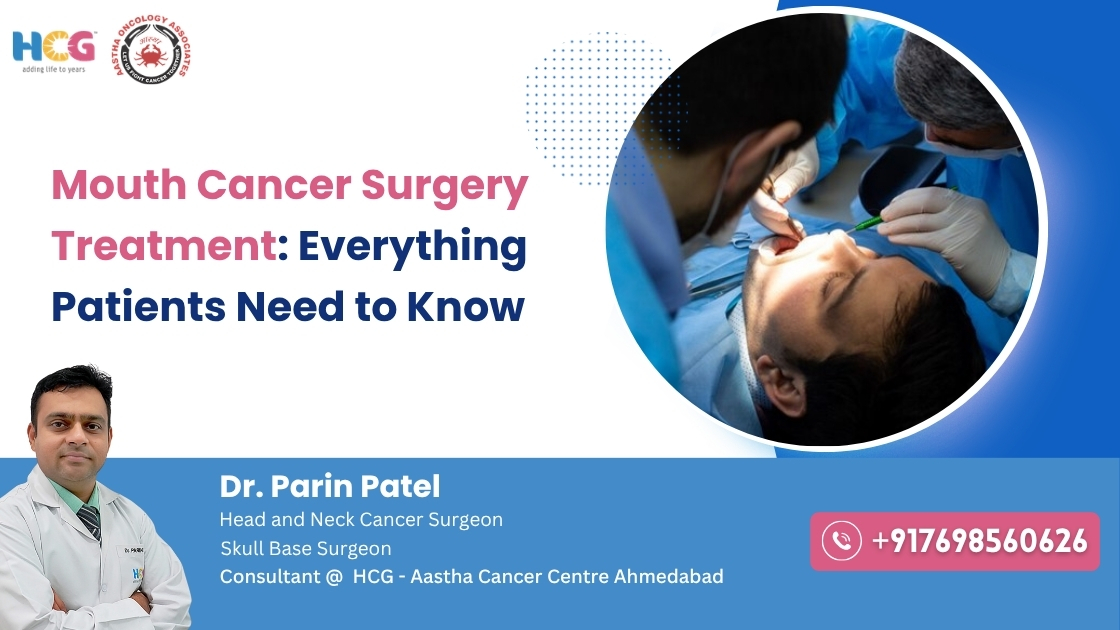
Mouth cancer surgery treatment is often the most effective way to remove cancerous tissue and stop its spread.For many patients, early diagnosis followed by oral cancer surgery can improve survival and quality of life.This guide explains what to expect, treatment options, recovery, and how to make informed decisions.
What Is Mouth Cancer Surgery and When Is It Needed
Mouth cancer surgery involves removing cancerous cells from the oral cavity.It is recommended when a tumor is localized and can be safely removed without major risk to vital structures.Doctors may suggest surgery as a first-line oral cancer treatment or combine it with radiation or chemotherapy.The goal is simple: remove cancer completely while preserving speech, chewing, and appearance.The extent of surgery depends on tumor size, location, and stage.Early-stage cancers often require minor procedures.Advanced cases may need complex reconstruction.Common conditions treated include cancers of the tongue , lips, gums, and inner cheeks.Timely intervention reduces complications and improves recovery outcomes.Internal read: Learn more about early cancer detection in our oral health screening guide.
Early Signs That May Lead to Surgery
Early signs are often painless and easy to ignore.
Watch for these symptoms:
- Persistent mouth ulcers that don’t heal
- Red or white patches inside the mouth
- Difficulty swallowing or chewing
- Lump in the cheek or jaw
These signs should never be ignored.Early diagnosis increases the success rate of mouth tumor removal significantly.
Types of Mouth Cancer Surgery and Procedures Explained
Different surgical approaches are used depending on the cancer stage.
The most common oral cancer surgery procedures include tumor resection, where the cancer is removed along with a margin of healthy tissue.In some cases, nearby lymph nodes are also removed to prevent spread.For small tumors, minimally invasive surgery may be enough.Larger tumors require more detailed planning and often involve multiple specialists.Advanced surgeries may include removal of parts of the jaw or tongue.Despite this, modern techniques aim to maintain function and appearance.Doctors carefully balance cancer removal with quality of life outcomes.
Reconstructive Surgery After Tumor Removal
Reconstructive surgery restores structure and function after tumor removal.It may involve skin grafts, tissue transfer, or bone reconstruction.Surgeons often use tissue from the arm, thigh, or chest to rebuild affected areas.This helps patients regain speech and swallowing ability.Recovery from reconstructive procedures takes longer but improves long-term outcomes.Patients should discuss expectations clearly with their surgeon before treatment begins.
Recovery, Risks, and Life After Oral Cancer Surgery
Recovery after oral cancer surgery varies based on the procedure.Most patients stay in the hospital for a few days to a week.Pain, swelling, and temporary difficulty speaking are common.These symptoms improve with proper care and therapy.Possible risks include infection, bleeding, and changes in speech or eating ability.Regular follow-ups help manage these risks early.Speech therapy and physiotherapy may be needed for full recovery.Life after surgery often requires adjustments.But with proper care, most patients return to normal routines.
Get guidance today
Diet and Lifestyle After Surgery
Diet plays a key role in healing.Patients are usually advised to start with soft foods and gradually return to a normal diet.Avoid tobacco and alcohol completely. > These are major risk factors for recurrence.Maintain oral hygiene to prevent infections.Follow-up visits and regular screenings are essential.Long-term care improves survival rates and quality of life.
Cost, Survival Rate, and Choosing the Right Specialist
The cost of mouth cancer surgery in India varies based on hospital, complexity, and additional treatments.It typically ranges from moderate to high depending on reconstruction needs.Insurance may cover part of the cost, so patients should check their policy details.Survival rates depend on early detection.
Stage 1 oral cancer has a high survival rate, while advanced stages require more intensive care.Choosing the right specialist is critical.Look for experience in oral cancer surgery and access to a multidisciplinary team.A well-planned treatment approach improves both survival and recovery outcomes.
CTA: Book consultation
When to Consult a Specialist
Consult a specialist if symptoms persist for more than two weeks.Do not wait for pain to appear.Early consultation helps confirm diagnosis and plan timely treatment.Patients with tobacco or alcohol history should be extra cautious.Regular check-ups reduce the risk of late-stage diagnosis.
Book consultation
Conclusion
Mouth cancer surgery treatment can feel overwhelming at first.But clear information and early action make a real difference.Focus on timely diagnosis, the right surgeon, and proper recovery care.Small decisions today shape long-term health.If you or a loved one is facing oral cancer, connect with experienced professionals like drparinpatel for trusted guidance and care.
This article provides general medical education and does not replace an individual examination or treatment recommendation.