
Oral Cancer
Radiotherapy After Oral Cancer Surgery: Who Needs It and When It Begins
After oral cancer surgery, many patients hear the same sentence from their doctor: "You may need radiotherapy." The first reaction is usually fear. Does it mean the cancer is back? Does it mean the surgery did not work?
After oral cancer surgery, many patients hear the same sentence from their doctor: "You may need radiotherapy." The first reaction is usually fear. Does it mean the cancer is back? Does it mean the surgery did not work?
Not at all. Radiotherapy after surgery is a safety step, and only some patients need it. This is something every oral cancer treatment doctor decides after reading your pathology report, not before. In this blog, we explain who needs radiotherapy after oral cancer surgery, when it usually begins, what the weeks of treatment look like, and how to manage the side effects.
Why Radiotherapy Is Sometimes Needed After Surgery
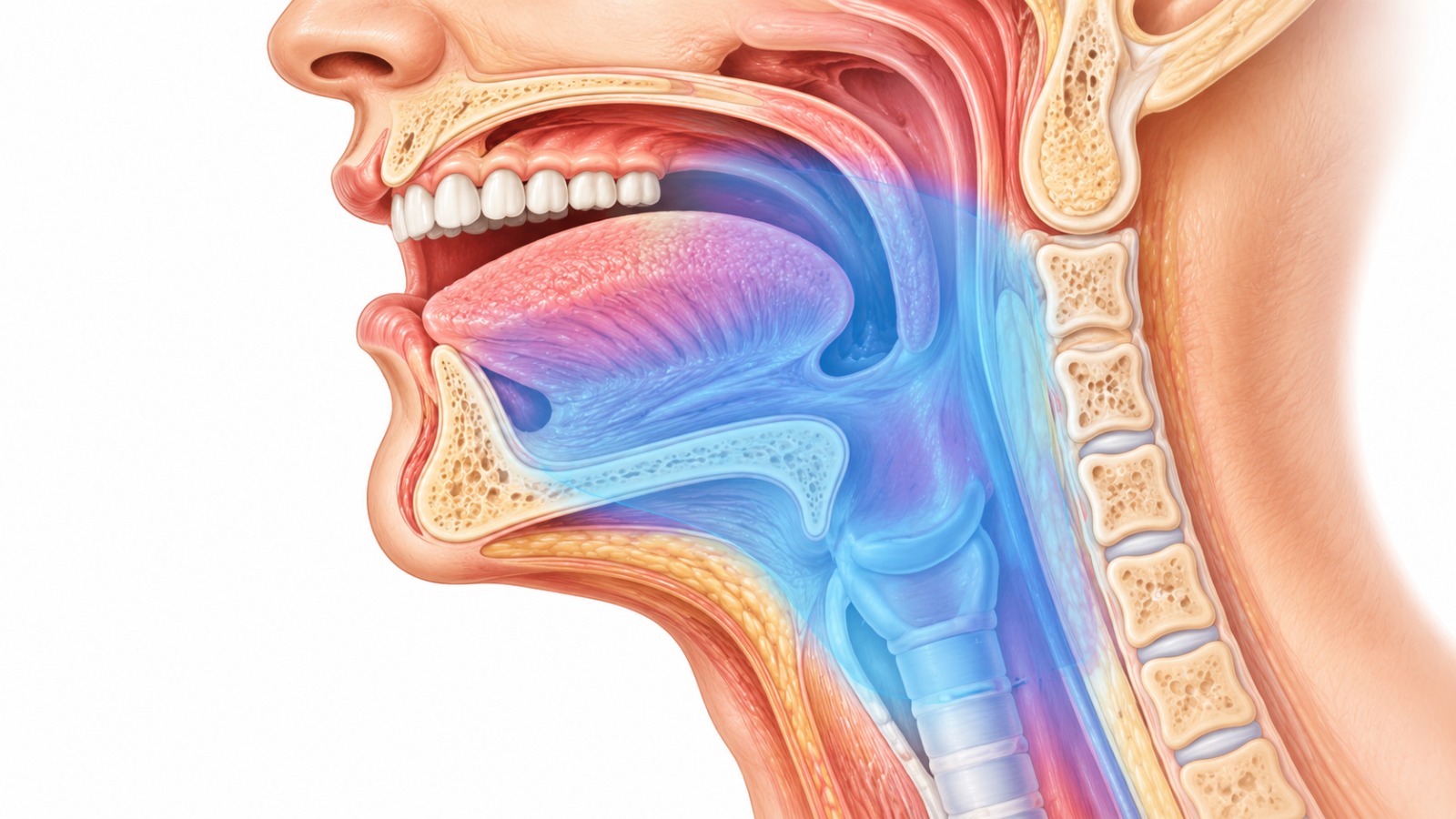
Surgery removes the tumour you can see. But cancer cells can sometimes remain at the edges, or travel into the lymph nodes of the neck, where no scan or surgeon's eye can see them. Radiotherapy uses focused high-energy beams to destroy these tiny leftover cells and lower the chance of the cancer returning.
Doctors call this post-operative or adjuvant radiotherapy. It does not replace surgery. It works with it, like a second lock on the door.
The decision is not made on the day of surgery. It is made about a week or two later, when the pathologist has studied the removed tissue under the microscope. At Dr. Parin Patel's practice, this report is discussed at a tumour board with the radiation and medical oncologists, so the plan is decided together.
Who Needs Radiotherapy After Oral Cancer Surgery?
Your pathology report holds the answer. These are the common findings that make radiotherapy more likely.
| Finding in the Report | What It Means | Is Radiotherapy Usually Considered? |
|---|---|---|
| Large or deep tumour | The cancer had grown deeper into muscle, bone or nearby tissue | Often yes |
| Close or involved margins | Cancer cells were very near, or at, the edge of the removed tissue | Often yes, when further surgery is not possible |
| Cancer in the neck lymph nodes | The cancer had already begun to spread | Yes in many cases |
| Spread outside the lymph node covering | A more aggressive pattern | Yes, often with chemotherapy |
| Nerve or blood vessel invasion | Cancer cells travelling along nerves or vessels | Often yes |
| Small, early tumour with clear margins and no node spread | Low chance of cells being left behind | Usually not needed |
Not every patient needs it. Someone with a small early tumour, clean margins and clear lymph nodes may need only regular follow-up. Your own report and scans decide this, and no two patients are exactly alike.
If you want to understand how the neck nodes are checked, read about neck dissection and lymph node removal.
What Is the Usual Timing for Radiotherapy After Surgery?
Radiotherapy usually begins about four to six weeks after surgery, once the wound has healed enough to take the treatment. Doctors try not to delay it much beyond that, because the benefit can reduce if too much time passes. This is why planning begins soon after the pathology report comes.
| Stage | What Happens |
|---|---|
| Soon after surgery | Pathology report is reviewed and the tumour board decides on radiotherapy |
| Before treatment | Dental check, a mask is made to fit your face, and a planning CT scan is done |
| During treatment | Daily sessions, usually five days a week for around six weeks |
| After treatment | Regular reviews to check healing, side effects and the treated area |
Why wait at all? The wound, and any flap used to rebuild the mouth, needs time to heal. Radiation on tissue that has not healed can cause wound problems. At the same time, waiting too long gives leftover cells a chance to grow, so doctors aim for the middle path.
Each daily session is short. The machine does not touch you, and you do not feel the beam. Most of the time is spent on positioning.
How to Prepare Before Radiotherapy
A little preparation can reduce problems later.
- Dental check-up. Radiotherapy can affect the teeth and jaw, so decayed or infected teeth are treated first, and sometimes removed. This is best done before treatment, as healing takes time.
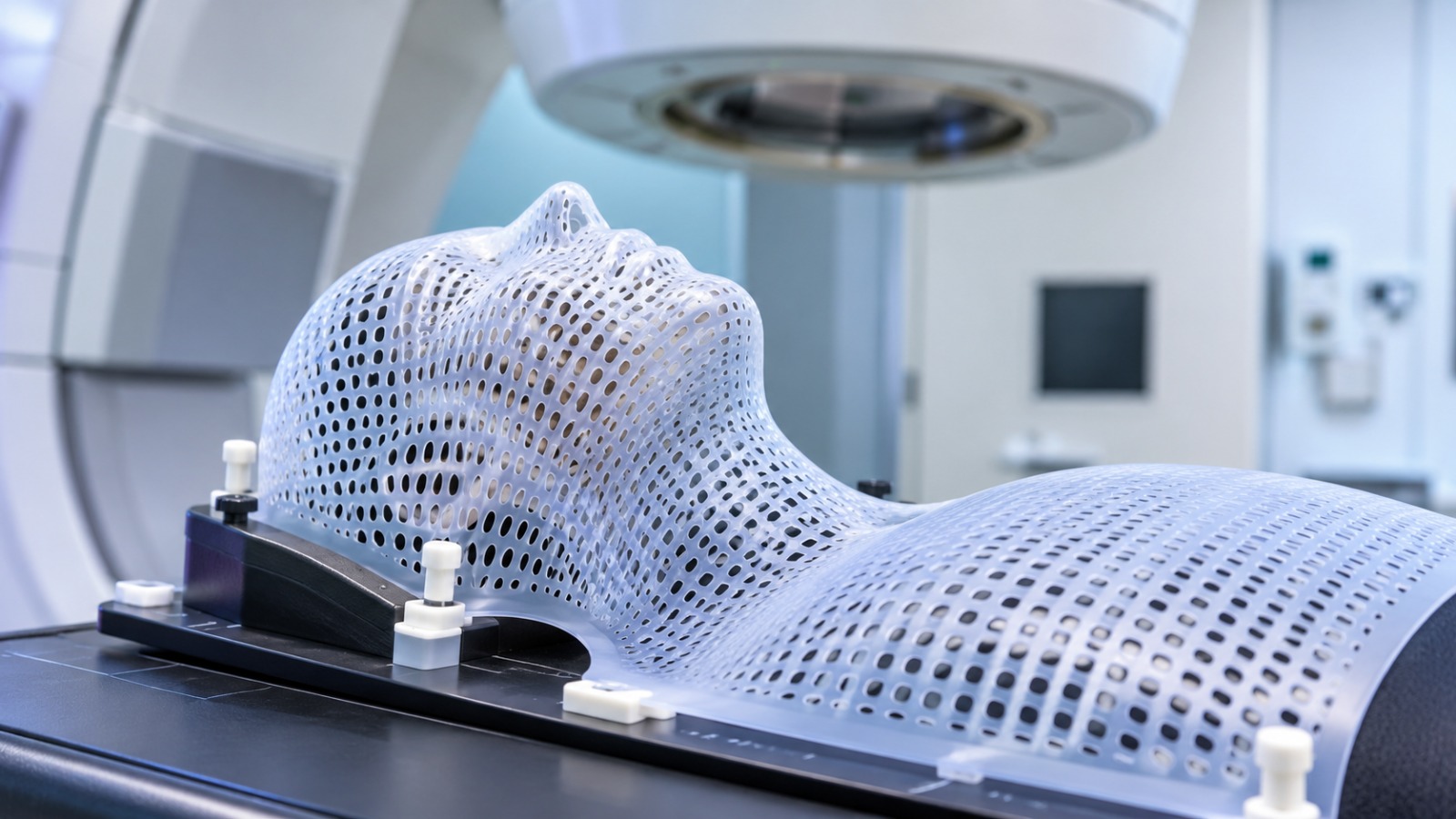
- Mask fitting. A soft plastic mask holds your head still during every session. It is made once and does not hurt.
- Nutrition. Aim to keep your weight steady with protein-rich food such as dal, eggs, milk, curd and paneer. Our guide on eating before and after mouth cancer surgery gives practical ideas.
- Stop tobacco and alcohol. They worsen mouth sores and reduce how well treatment works.
- Jaw exercises. Gentle mouth-opening exercises taught by your therapist help prevent stiffness. Preparing before treatment is easier, as explained in this guide to rehabilitation before head and neck cancer treatment.
Common Side Effects and How They Are Managed
Side effects depend on the area treated and the dose. Most build up slowly in the second or third week and settle over a few weeks after treatment ends.
| Side Effect | When It Appears | What Helps |
|---|---|---|
| Sore mouth and mouth ulcers | Second to third week | Salt and soda rinses, soft food, prescribed mouth gels and pain medicine |
| Pain while swallowing | Second week onwards | Soft or liquid diet, swallowing exercises, a feeding tube if needed |
| Dry mouth and thick saliva | From the second week, can last longer | Frequent sips of water, sugar-free lozenges, saliva substitutes |
| Taste change | During treatment | Small, frequent meals, cool or mild-flavoured foods |
| Skin redness or darkening in the neck | Third week onwards | Mild soap, no scrubbing, covering from sun, creams only as advised |
| Tiredness and weight loss | Throughout | Rest, small frequent meals, weekly weight check |
| Jaw stiffness and tooth decay | Months later | Jaw exercises, fluoride care and regular dental visits |
Most of these effects are temporary, and your team can help with each one. Please do not stop treatment or skip sessions because of a sore mouth. Tell the team early, because a small problem is easier to fix than a big one.
Rarely, radiotherapy can affect the jaw bone months or years later, which is another reason dental care matters. Report any new jaw pain, non-healing sore or swelling early.
Caring for Yourself During the Weeks of Treatment
Small habits make a big difference:
- Rinse your mouth with lukewarm salt and soda water several times a day
- Brush gently with a soft brush and fluoride toothpaste
- Drink plenty of water, even if swallowing feels uncomfortable
- Avoid very spicy, hot, sour or rough food while the mouth is sore
- Weigh yourself once a week and tell your team if you are losing weight quickly
- Call the team the same day for fever, inability to swallow even liquids, or severe pain
Our guide to care after mouth cancer surgery covers wound care and daily habits that continue to help during radiotherapy.
When Is Chemotherapy Added to Radiotherapy?
In some patients, a chemotherapy medicine is given along with radiotherapy to make it work better. This is usually considered when margins are involved or the cancer has spread outside the lymph node covering. It can increase side effects, so it is used only when the benefit is clear. Your oncologists will explain whether it applies to you.
What to Carry to Your Consultation
Keep your biopsy report, surgery notes, final pathology report and all scans in one folder. These documents decide whether radiotherapy is needed, so the doctor can give clear advice faster. If you are coming from another city, call the clinic first and ask how to share your reports before you travel.
To discuss your report, you can call +91 76985 60626 or book a consultation. Recovery after treatment also includes speech, swallowing and jaw care, which are part of head and neck cancer rehabilitation.
Frequently Asked Questions
Does needing radiotherapy mean my cancer is advanced?
Not always. It means the report shows some features that raise the chance of recurrence. Radiotherapy lowers that chance, so it is a precaution.
Is radiotherapy painful?
The treatment itself is painless, like having an X-ray taken. The discomfort comes from side effects such as a sore mouth, which can be managed with medicines and care.
Will I become radioactive and unsafe for my family?
No. Radiotherapy given from outside the body does not make you radioactive. It is safe to be with family, including children.
Can I eat normally during radiotherapy?
Most people need softer food and extra care as the mouth becomes sore. A dietitian can help you keep your weight steady, and a feeding tube is used if eating becomes too difficult.
How long do the side effects last?
Most mouth and throat soreness settles within a few weeks after treatment ends. Dry mouth, taste change and jaw stiffness may take longer, so follow-up care continues.
What happens if radiotherapy is delayed?
Doctors try to begin it within about six weeks of surgery. If a delay happens, tell your team so the plan can be adjusted. Do not stop treatment on your own.
Conclusion
Radiotherapy after oral cancer surgery is not a sign of failure. It is an extra layer of protection for patients whose report shows a higher chance of the cancer returning. With proper dental preparation, good nutrition and regular mouth care, most patients get through it well. Dr. Parin Patel, a head, neck and skull base surgical oncologist at HCG Aastha Cancer Centre, Ahmedabad, plans surgery, radiotherapy and rehabilitation together so that patients understand every step before it happens.
This article provides general medical education and does not replace an individual examination or treatment recommendation.