
Head and Neck Cancer
Head and Neck Cancer Rehabilitation Before Treatment: What Is Prehabilitation?
Head and neck cancer rehabilitation does not have to wait until treatment is over. In fact, the best recovery often begins a few weeks before surgery or radiotherapy, and this early step is called prehabilitation.
Head and neck cancer rehabilitation does not have to wait until treatment is over. In fact, the best recovery often begins a few weeks before surgery or radiotherapy, and this early step is called prehabilitation.
Most families hear about rehabilitation only after the operation, when the patient is already tired, sore and struggling to eat. At that stage, learning new exercises feels very hard. In this blog, we'll explain in plain words what prehabilitation is, who needs it, what happens at the first visit and what you can do at home before treatment begins.
What Is Prehabilitation?
Prehabilitation means preparing your body before treatment. It is a short plan of check-ups, simple exercises, diet advice and counselling that begins before surgery, radiotherapy or chemotherapy. Think of it like packing for a long journey. You do not pack your bag after the train has already left the station.
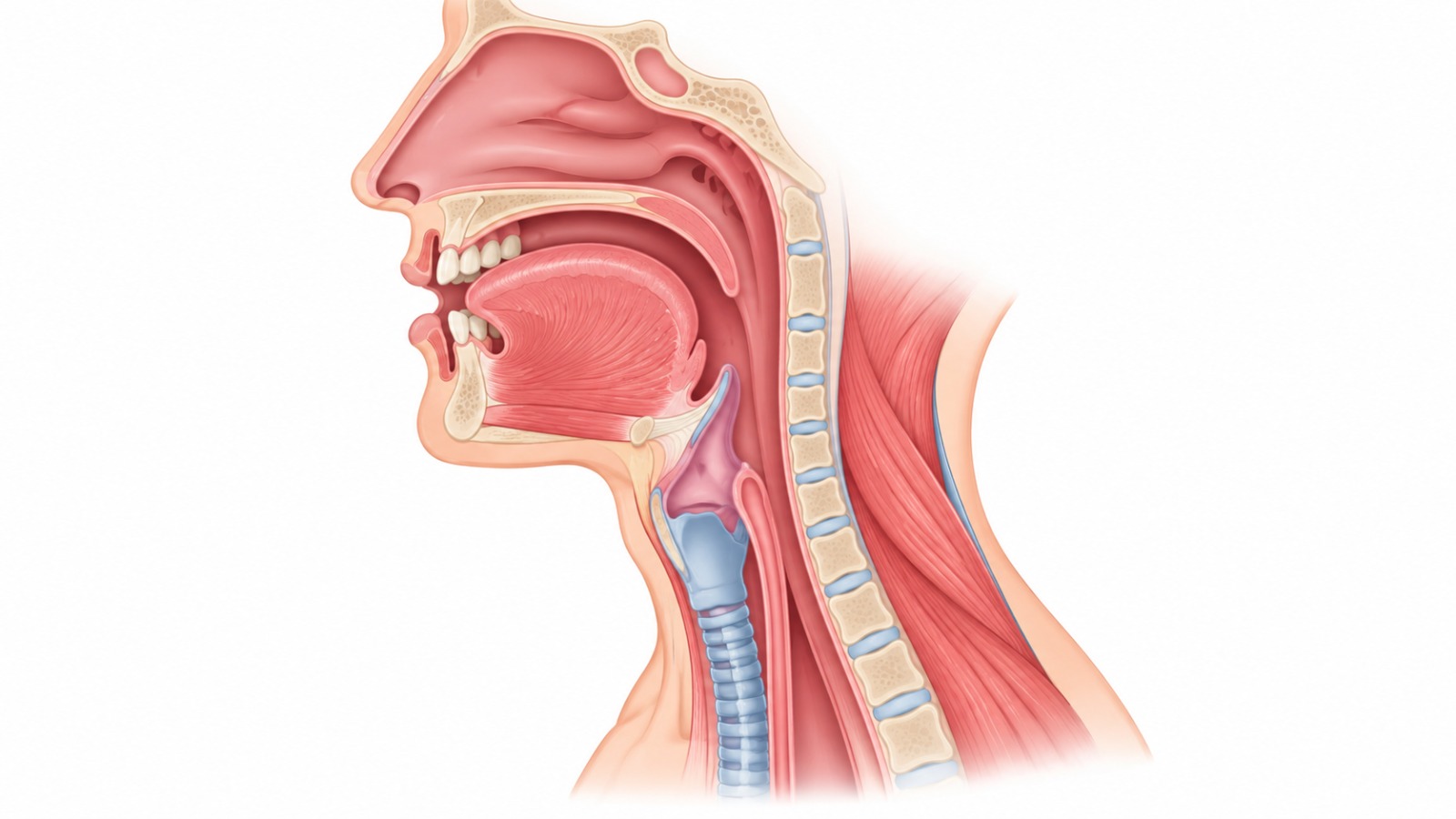
Treatment in the head and neck area can cause swallowing problems, changes in the voice, a stiff jaw and a heavy shoulder. These things are much easier to handle when you already know what to expect and have practised the exercises. How long the preparation lasts depends on your treatment date. Sometimes there are a few days, and sometimes a few weeks. Both are useful.
Once treatment is over, the focus shifts to recovery, speech and daily life, where regular therapy takes over. Prehabilitation simply makes that second stage smoother.
| Problem Patients Often Face | Simple Reason Behind It | How Early Preparation Helps |
|---|---|---|
| Roti or rice feels hard to swallow | Throat muscles become weak or stiff | Swallowing exercises already in practice |
| Mouth does not open fully | Surgery or radiotherapy tightens the jaw | Gentle jaw stretches learned in advance |
| Shoulder feels heavy after neck surgery | Nerves and muscles need time to recover | Movement plan and physiotherapy ready |
| Weight drops quickly | Pain and taste changes reduce eating | Diet plan made with a dietitian beforehand |
| Constant worry about what will happen | Unknown steps feel frightening | Clear explanation before treatment |
Why Preparing Early Helps
The first reason is muscle. Swallowing muscles become weak when they are not used, and radiotherapy can make the throat stiff. Therapists often say "use it or lose it". If you have been doing the exercises for a couple of weeks, they are already a habit when treatment begins.
The second reason is the starting point. At the first visit, the therapist notes how wide your mouth opens, how clear your speech is and how safely you swallow. Later, you and the team can see exactly what has changed, so therapy works towards a real target and not a guess.
Neck and shoulder movement is a good example. After lymph nodes are removed from the neck, the shoulder can feel weak and stiff for a while. A patient who already knows the gentle movements usually gets back to normal use much faster.
Nutrition matters too. Weight loss is common during treatment, and people who go in well nourished usually heal better. Teeth are another reason. Infected or broken teeth are far easier to fix before radiotherapy than after it.
Finally, there is the fear. A person who already knows that a feeding tube may be needed for a few weeks, or how voice works after voice box surgery, feels much less afraid. It is surprises that frighten people most.
Who Needs Prehabilitation?
Almost anyone facing major treatment for cancer of the mouth, tongue, throat, tonsil or voice box can benefit. What the team focuses on depends on your treatment.
| Planned Treatment | Main Focus of Preparation |
|---|---|
| Oral or tongue cancer surgery | Tongue movement, chewing, swallowing, speech practice, mouth-opening exercises |
| Throat cancer with radiotherapy or chemoradiotherapy | Swallowing exercises, diet, dental check-up, mouth care |
| Voice box removal (laryngectomy) | Meeting the speech therapist, voice options, stoma and airway care |
| Neck dissection | Neck and shoulder movement, posture, early physiotherapy plan |
| Large reconstruction | Strength, nutrition, understanding recovery stages |
What Happens in the First Visit?
The visit usually takes place once the diagnosis and the treatment plan are clear, and before the treatment date. You meet a small team, and the conversation is relaxed. Nobody expects you to perform.
| Area | What the Team Checks | Why It Matters |
|---|---|---|
| Swallowing | How you eat and drink different textures | Gives a baseline and shows who is at higher risk |
| Speech and voice | Clarity and quality of your voice | Lets the team compare before and after |
| Jaw opening | How wide your mouth opens | Stiffness is common after surgery or radiotherapy |
| Neck and shoulder | Movement, strength, posture | Important if lymph nodes will be removed |
| Nutrition | Weight, appetite, usual diet | Poor nutrition slows healing |
| Teeth and gums | Cavities, loose teeth, gum disease | Easier to treat before radiotherapy |
You leave with a plan: exercises to do, diet advice and a schedule for therapy during and after treatment.
It helps to go in with a few questions. Most patients want to know which parts of speech or swallowing may change, whether a feeding tube or breathing tube will be needed and for how long, which exercises to begin straight away, and who will look after rehabilitation once treatment ends. If radiotherapy is planned, ask whether you need a dental check first.
Bring a family member if you can. Whoever will be with you at home may need to learn tube feeding, stoma care or the daily exercise routine, and it is far easier to learn these calmly beforehand than in a rush on the day of discharge. At Dr. Parin Patel's clinic at HCG Aastha Cancer Centre in Sola, Ahmedabad, this meeting with the rehabilitation team is planned before treatment, so patients are not left to work things out alone afterwards.
Simple Things You Can Do at Home Before Treatment
Please do these only with your care team's guidance. The right exercises depend on the tumour and the treatment, and some movements need to be avoided in certain cases.
- Swallowing exercises taught by your therapist, to keep the tongue and throat muscles active
- Gentle jaw stretches to prevent stiffness
- Light neck and shoulder movements, especially if a neck dissection is planned
- Enough protein and calories, such as dal, eggs, milk, curd and paneer, to keep your weight steady
- A dental check, so cavities and infected teeth are treated before radiotherapy
- Stopping tobacco and alcohol, which helps wounds heal and lowers complications
- Short daily walks and regular sleep
It also helps to keep a small notebook. Write down your weight each week, the exercises you did and anything that felt different, such as pain while swallowing or a tight jaw. At the next visit, this gives the therapist real information instead of a vague memory. If surgery is planned for the mouth, eating well before and after the operation is worth planning early.
What If the Treatment Date Is Very Near?
Cancer treatment should never be delayed for anything, including rehabilitation. Your surgeon and oncologist decide the timing, and the rehabilitation team works around it. But even when the date is only a few days away, a short session with the therapist and dietitian, a quick dental review and a few days of practice are still worth doing. The programme can also continue during treatment. Prehabilitation works alongside cancer care and does not slow it down.
What to Carry to Your Consultation
Keep your scans, biopsy report, treatment plan and any earlier prescriptions in one folder. If you are coming from another city, call the clinic first and ask how to share your reports before you travel.
To discuss your treatment and rehabilitation plan, you can call +91 76985 60626 or book a consultation. Meeting a head and neck cancer surgeon in Ahmedabad early gives you time to plan both together, and good rehabilitation can improve quality of life for years afterwards.
Frequently Asked Questions
What is prehabilitation in head and neck cancer?
It is a plan of check-ups, exercises, diet advice and counselling started before treatment, to prepare your swallowing, speech, jaw, shoulder and general health.
How early should it begin?
As soon as the treatment plan is clear. Even a few days of preparation can help, as long as the cancer treatment itself is not delayed.
Is it only for people having surgery?
No. People having radiotherapy or chemoradiotherapy benefit as well, especially for swallowing, mouth care and nutrition.
Can I do swallowing exercises on my own?
It is safer to learn them from a swallowing therapist first, because the right exercises depend on where the tumour is and how it will be treated.
I feel weak. Can I still do it?
Yes. The exercises are small and gentle, and the therapist adjusts them to your strength.
Will it prevent every side effect?
No. It cannot stop everything, but it can lower the chance of some problems and make others easier to manage.
Conclusion
Recovery from head and neck cancer is not one big moment. It is many small steps, and the first few can be taken even before treatment begins. A little preparation can make eating, speaking and daily life easier afterwards. If you or someone in your family is about to begin treatment, ask about prehabilitation at the very first discussion. Dr. Parin Patel, a head, neck and skull base surgical oncologist at HCG Aastha Cancer Centre, Ahmedabad, plans rehabilitation alongside treatment so that patients can return to normal life with as little loss of function as possible.
This article provides general medical education and does not replace an individual examination or treatment recommendation.