
Laryngeal Cancer
Stoma Care After Laryngectomy: Daily Routine, HME Filters and Safety Tips
Going home after a total laryngectomy is a big moment. The surgery is over, but a new daily routine begins. Breathing now happens through a small opening at the front of the neck, called a stoma, and looking after it becomes part of everyday life.

Going home after a total laryngectomy is a big moment. The surgery is over, but a new daily routine begins. Breathing now happens through a small opening at the front of the neck, called a stoma, and looking after it becomes part of everyday life.
Many families feel nervous about this at first. The good news is that stoma care is simple once you know the steps. This guide is for patients who have had laryngeal cancer surgery and for the family members who help them. We explain the daily routine, how HME filters work, how to stay safe at home, and when to call your surgeon.
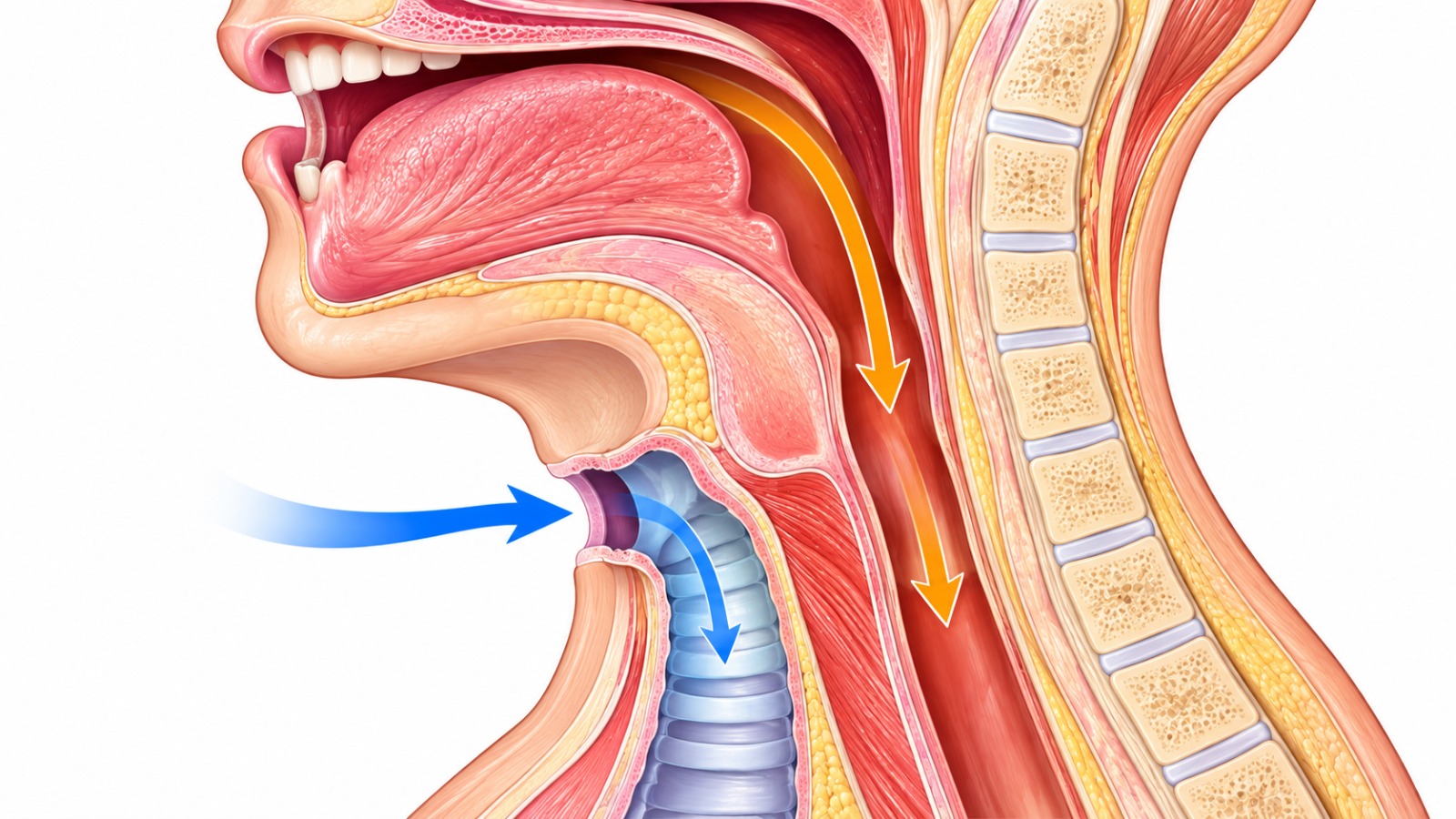
What Is a Stoma After Laryngectomy?
In a total laryngectomy, the whole voice box is removed. The windpipe is then brought out to the skin of the neck and stitched there. That opening is the stoma. Air goes in and out of the lungs through it.
Your food passage stays separate and works as before, so you eat and drink through the mouth once the throat has healed. The nose and mouth are no longer connected to the lungs, and this causes a few changes you should know about:
- Air reaching the lungs is no longer warmed, moistened or filtered by the nose
- The stoma and windpipe can become dry, crusty and irritated
- You may make more mucus and cough more in the early months
- Smell and taste become weaker
All the care steps below exist to solve these few problems.
Daily Stoma Care Routine
A fixed routine makes care easy. Your speech therapist or nurse will show you the exact method before you leave the hospital, and the table below gives the general pattern.
| Time of Day | What to Do | Why It Helps |
|---|---|---|
| Morning | Wash your hands, take out the old HME cassette, clean around the stoma with a damp gauze, dry the skin and put in a fresh cassette | Keeps the skin healthy and the airway moist |
| Through the day | Keep the HME in place, cough mucus into a tissue, sip water often and wipe the stoma gently when needed | Prevents crusts and blocked airflow |
| Evening | Clean the stoma again, check the skin for redness or soreness, and replace the housing if the seal is loose | Catches small problems early |
| Night | Sleep with your head raised on pillows, use a humidifier if advised, and cover the stoma with a soft bib or cloth | Reduces dryness, crusting and night coughing |
Always wash your hands first, and use a mirror and good light. Clean with plain water or mild soap, and avoid cotton wool or anything that leaves fibres behind. If crusts form, loosen them with a few drops of saline and lift them out gently. Never push anything deep into the stoma.
HME Filters: What They Do and How to Use Them
HME stands for heat and moisture exchanger. It is a small foam cassette that fits over the stoma, usually held by a sticky housing on the neck. As you breathe out, it traps some warmth and moisture, and as you breathe in, it gives that back. It also filters out dust, so it does the work your nose used to do.
Most people are advised to wear the HME as many hours of the day as they comfortably can. Patients who wear it regularly usually have less mucus, less coughing and fewer chest problems. A few practical points:
- Use a new cassette as often as the maker advises, usually once a day, and change it sooner if it is wet, dirty or blocked
- Disposable cassettes should not be washed and reused
- Change the sticky housing when the seal weakens, often every day or two, and clean the skin well before fixing the new one
- Carry spare cassettes and housings when you go out, even for a short trip
Many patients also use a special valve with a voice prosthesis so that speaking becomes easier. Your speech therapist will choose what suits you.
Common Stoma Problems and What to Do
| Problem | Common Reason | What Helps |
|---|---|---|
| Thick, dry crusts | Dry air or too little humidity | Humidifier, saline drops or nebuliser as advised, more water |
| A lot of mucus and coughing | Early months of healing, or not using the HME | Wear the HME regularly, clear mucus into a tissue |
| Sore or red skin around the stoma | Adhesive, moisture or rubbing | Gentle cleaning, a skin barrier wipe, a different housing |
| Housing keeps falling off | Oily or hairy skin, loose seal, sweating | Clean and dry the skin, trim hair, try another size |
| Stoma feels smaller | Narrowing of the opening, which can happen with healing | Report to your surgeon, who may advise a stoma button or tube |
Bathing, Dust, Smoke and Everyday Safety
Because the stoma opens directly into the windpipe, anything that goes in goes straight towards the lungs. Water is the most dangerous, and small particles come next.
| Situation | Risk | Safe Way |
|---|---|---|
| Bathing and head wash | Water entering the stoma | Use a shower shield or bib, keep the shower below chest level, face away from the stream, and bend forward when washing the hair |
| Swimming and deep water | Drowning, since water goes straight into the lungs | Avoid swimming and deep water unless a specialist has approved special equipment |
| Dust, smoke and fumes | Irritation and chest infection | Keep the HME or a stoma cover on in dusty roads, kitchens with strong fumes, mosquito coils and agarbatti smoke |
| Shaving, powder and sprays | Hair, powder or spray particles entering | Cover the stoma first, and avoid talcum powder or aerosols near the neck |
| Riding a scooter or going out in cold air | Cold, dry or polluted air | Wear a light cotton scarf or stoma cover over the stoma |
| Sleeping | Pillows blocking the stoma | Do not sleep face-down, and keep the stoma free of blankets |
Quitting tobacco in every form matters even more now, since smoke harms the lungs directly. These tips on reducing your chances of voice box cancer can help.
Emergency Safety for Family Members
Family members should know one thing above all else. After a total laryngectomy, a person breathes only through the stoma. If someone has to give rescue breaths in an emergency, the breaths must go through the stoma, not through the mouth or nose. Oxygen masks also need to be placed over the stoma.
It helps to carry a small card or wear a bracelet that says you are a neck breather, and to tell your neighbours, workplace and local doctor. If breathing suddenly becomes hard, remove the HME, cough out any mucus plug and call for help if it does not improve.
When to Call Your Doctor
Please contact your surgeon or hospital team without waiting if you notice any of these:
- Breathing that is getting harder, or noisy breathing
- A stoma that seems to be getting smaller
- Fever, or yellow-green or bad-smelling mucus
- Bleeding that continues or becomes heavy
- Redness, swelling or pus around the stoma
- A new lump near the stoma or in the neck
- Coughing every time you drink or eat, which needs checking, especially if you use a voice prosthesis
Living Well With a Stoma
Most people go back to normal activities. Many choose light cotton scarves, high-neck shirts or stoma covers to protect the stoma. Carry your supplies in a small bag when you travel. A balanced diet with enough protein helps healing, as described in this guide to nutrition challenges in throat cancer. It is also normal to feel low or anxious about appearance and voice. Speaking to your speech therapist, joining a patient support group and involving your family all help. Stoma care is one part of head and neck cancer rehabilitation, which covers speech, swallowing and emotional support.
At Dr. Parin Patel's clinic at HCG Aastha Cancer Centre in Sola, Ahmedabad, patients and family members are taught stoma care before they leave the hospital, so they feel confident at home.
What to Carry to Your Consultation
Bring your discharge summary, surgery notes, details of your HME and housing, and a list of any problems you have had. If you live in another city, call the clinic and ask how to share your reports before you travel. You can call +91 76985 60626 or book a consultation. Meeting an experienced head and neck cancer surgeon in Ahmedabad for follow-up gives you a chance to ask about stoma problems, supplies and speech options in one visit.
Frequently Asked Questions
How often should I clean my stoma?
Most people clean it once or twice a day and whenever crusts or mucus build up. Your therapist will give you a routine that suits you.
Do I need to wear an HME all the time?
Wearing it for as many hours as you can helps the most. It makes the air warmer and moister and reduces mucus and coughing.
Can I take a bath or shower normally?
Yes, with care. Use a shower shield or bib, keep water below the stoma and never let it flow into the opening.
Can I swim after a laryngectomy?
Swimming is not safe, because water would enter the lungs through the stoma. Only a specialist can advise on special equipment.
Can I eat normally with a stoma?
Yes. Once the throat has healed, you eat and drink through the mouth as before, though taste and smell may feel different for a while.
Conclusion
A stoma changes how you breathe, but it does not have to change how you live. A steady daily routine, a good HME, a few safety habits and quick help when something feels wrong make a big difference. Dr. Parin Patel, a head, neck and skull base surgical oncologist at HCG Aastha Cancer Centre, Ahmedabad, supports patients through surgery, stoma care, speech therapy and long-term follow-up, so that every step feels planned and clear.
This article provides general medical education and does not replace an individual examination or treatment recommendation.
This article provides general medical education and does not replace an individual examination or treatment recommendation.